ServiceS
Where I can help — from early positioning to a shipped, working site.


Product Strategy
Identity & Branding
Digital Marketing
UX & Product Design
Graphic Design
Brand Development
Digital Marketing
Graphic Design
Brand Development
Product Strategy
Identity & Branding
UX & Product Design
Product Strategy
Identity & Branding
Digital Marketing
UX & Product Design
Webfllow Development
Brand Development
Digital Marketing
Webflow Development
Brand Development
Product Strategy
Identity & Branding
UX & Product Design
Branding
Strategy
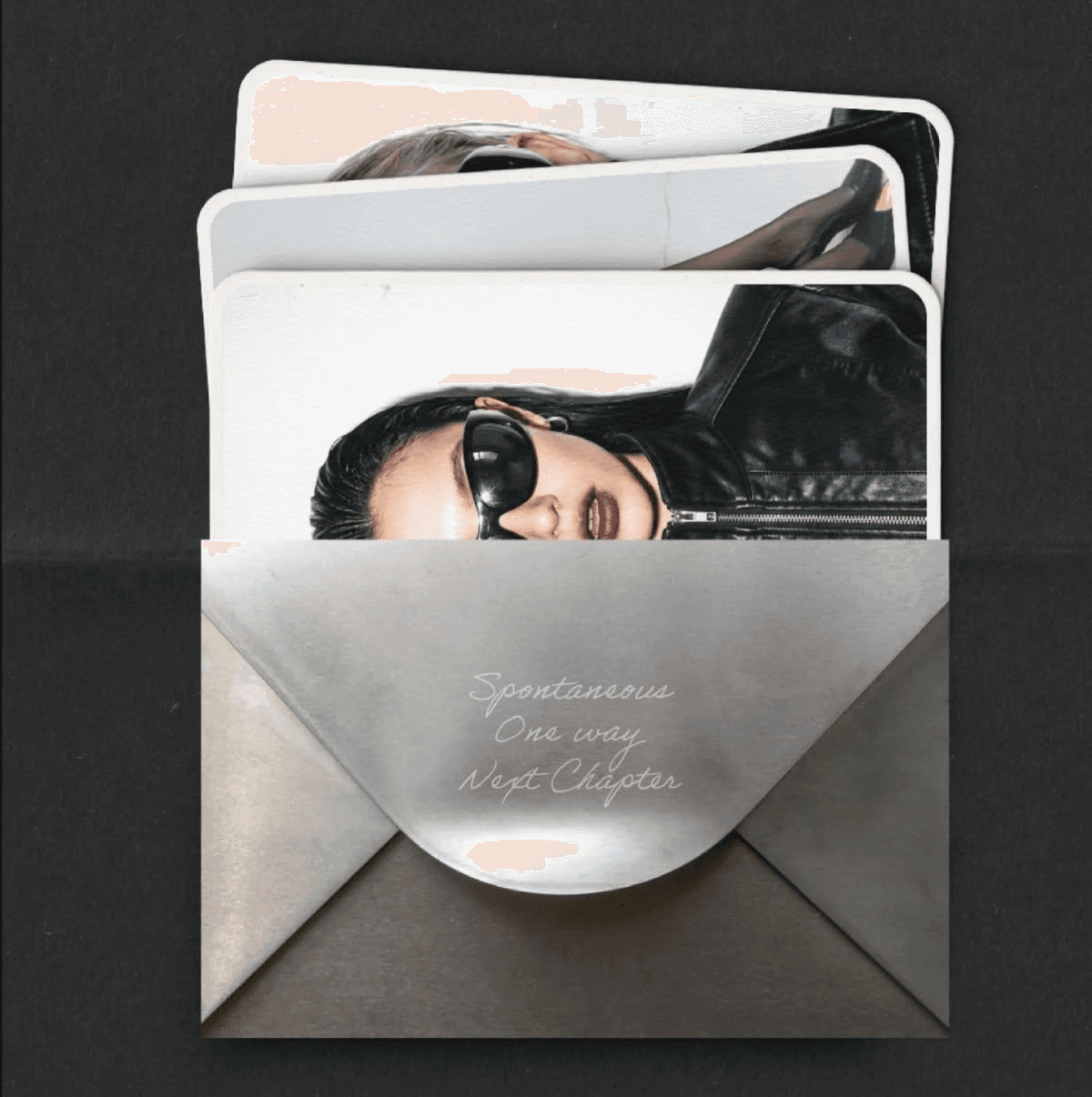
A brand only works if the person deciding whether to trust it can tell, in the first five seconds, what it stands for.
I build identity systems around that five-second read — positioning, name, mark, and voice tied to one clear idea instead of a mood board of adjectives.
Brand Discovery & Research
Before a single visual choice, I map the market you're actually competing in — direct competitors, adjacent categories, and the gap nobody in the space has claimed yet. A short set of stakeholder conversations tells me what the brand needs to say internally before I decide how it should look. That combination is what keeps the identity from becoming decoration: every visual decision downstream traces back to something specific I learned.
Logo & Visual Identity Design
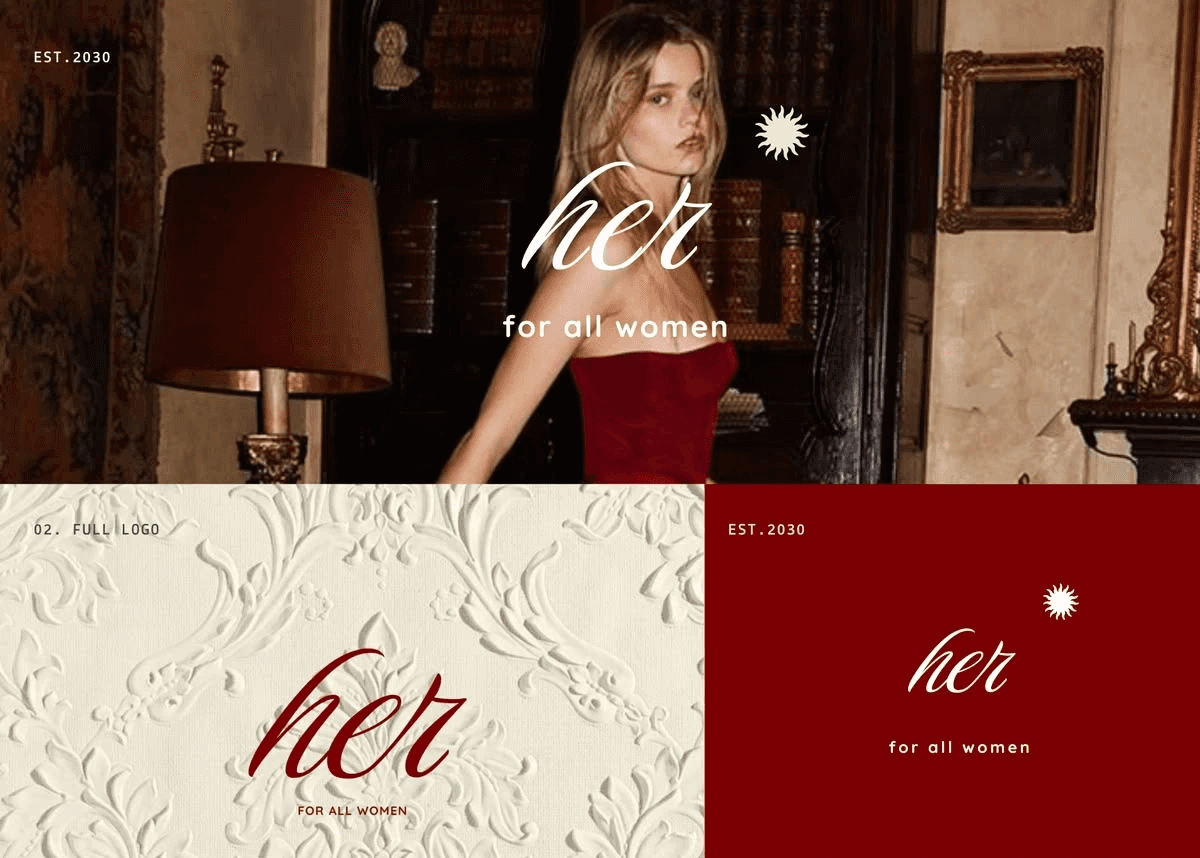
I design the mark alongside the system it has to survive in — favicon, app icon, a business card, a storefront — because a logo that only works at one size isn't finished. Typography, color, and grid get built as one connected language, not three separate choices bolted together, so the brand reads as deliberate whether someone sees it on a phone screen or a shopfront.
Brand Messaging & Positioning
Positioning is the one line that has to survive being repeated by someone who isn't you — a client explaining you to their boss, a teammate briefing a new hire. I work to find that line before touching layout, because a beautiful identity built on a vague one just makes the vagueness look expensive.
Brand Guidelines Creation
I hand off a guide built to actually get used, not filed away — logo lockups and exclusion zones, a real color system with accessible pairings, type hierarchy, and enough do/don't examples that a designer who's never spoken to me can apply the brand correctly on the first try.

Website
Design
I design and ship full websites — information architecture, visual system, and every interaction — built in Framer or Webflow, on timelines that run from ten days to a few weeks depending on scope. The goal on every one: a site that reads as considered on page one and still holds up on page twelve.
Custom Website Design
I start from the site's actual structure, not a template — how many page types the content genuinely needs, what a first-time visitor has to understand in the first screen, where the friction sits between curiosity and the next click. The visual system comes after that's settled, which is why the result doesn't look like a skin wrapped around a stock layout.
Framer Development
Framer is where I build when a site needs custom interaction — scroll-driven reveals, hover states, motion that's doing real work instead of decorating a page. I build responsive across breakpoints as I go, not as a pass at the end, so nothing gets awkwardly squeezed to fit mobile after the fact.
Webflow Development
For sites where the client's team needs to update content without calling me first, I build in Webflow — a CMS structured around how the content actually gets edited, not just how it launches. The interface stays clean enough that someone non-technical can swap a case study or update a price without breaking the layout.
Website Maintenance & Support
Every project ships with 30 days of support built in — fixes, small adjustments, answering the "can we also change—" questions that always come up once a site is live. Past that window, I offer an ongoing retainer for clients who'd rather have a designer on call than book one-off fixes.
UI/UX
Design
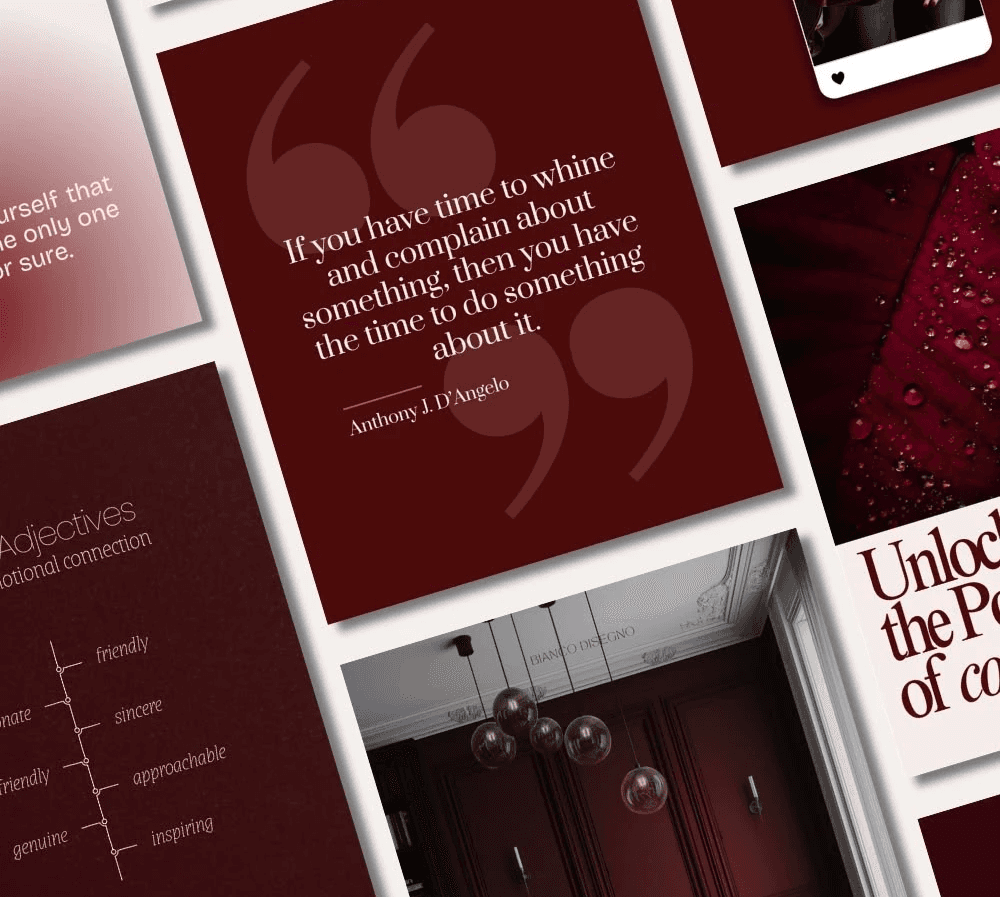
UI/UX work, for me, means the interface earns its keep — every screen has to move someone closer to booking, buying, or signing up, not just look considered.
That's the lens behind the interface itself, research and wireframes.
User Research & Personal Development
I talk to the people who'll actually use the product before I design for them — short interviews, not a survey nobody reads closely. What comes out isn't a persona slide with a stock photo; it's the specific friction point that ends up shaping the flow I design next.
Wireframing & Prototyping
Low-fidelity first, on purpose — I want feedback on the flow before anyone's reacting to color choices. Wireframes go interactive early enough that you're clicking through a real sequence of screens, not reading a static plan and hoping it holds together.
Usability Testing & Analysis
I watch people use the product rather than ask them to describe how they'd use it — the two answers are rarely the same. A handful of structured sessions usually surfaces the two or three friction points worth fixing before launch; chasing more than that mostly adds noise.
UI/UX Audits & Redesigns
I go through an existing product screen by screen against its own stated goals, not a generic best-practices checklist, and come back with what's actually costing you users versus what just looks dated.
The redesign starts from the flows that are losing people, not a full visual refresh for its own sake.
(How I work)
Process
Same process on a ten-day sprint or a six-week build — what changes is how much time each phase gets, not whether it happens.
01
(
Discovery
)
Understanding Your Unique Needs.
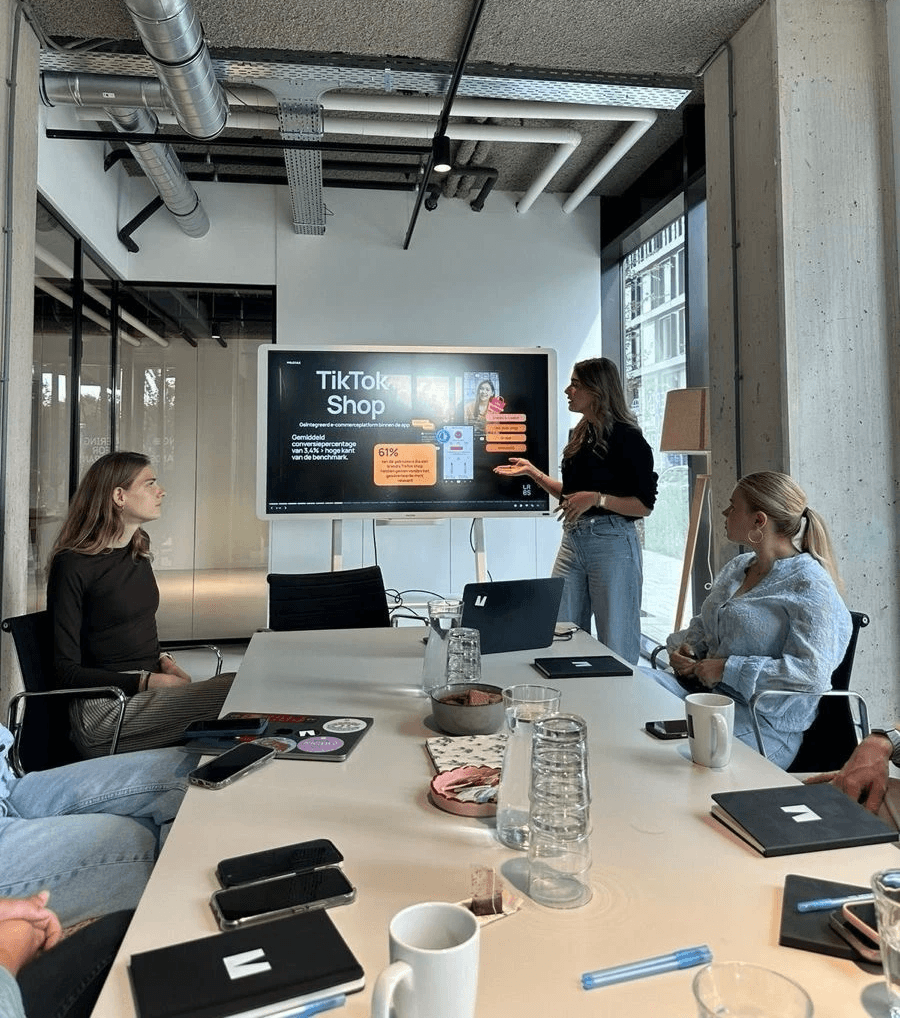
I start with your goals, your audience, and whatever's already been tried and hasn't worked — that last part matters more than people expect. A short discovery conversation tells me more than a long brief document, because I can ask the follow-up question a document can't answer.
02
(
Design
)
Turning the brief into screens.
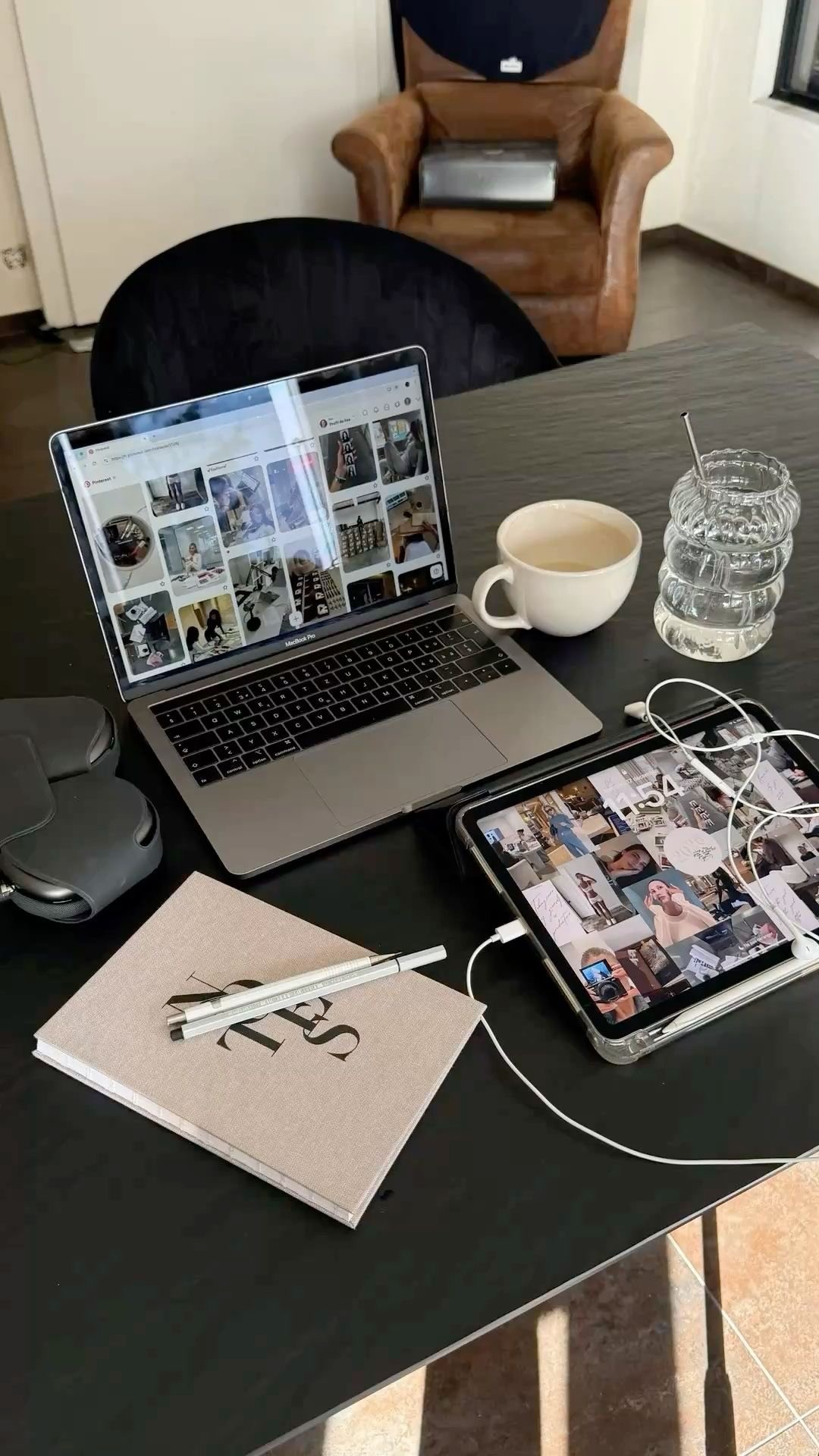
Wireframes first, then the visual system, then high-fidelity screens — each stage is something you can react to, not a black box until the reveal. I'd rather show you a rough version early and adjust than polish something for two weeks before you've seen it once.
03
(
Development
)
Bringing Ideas to Life.
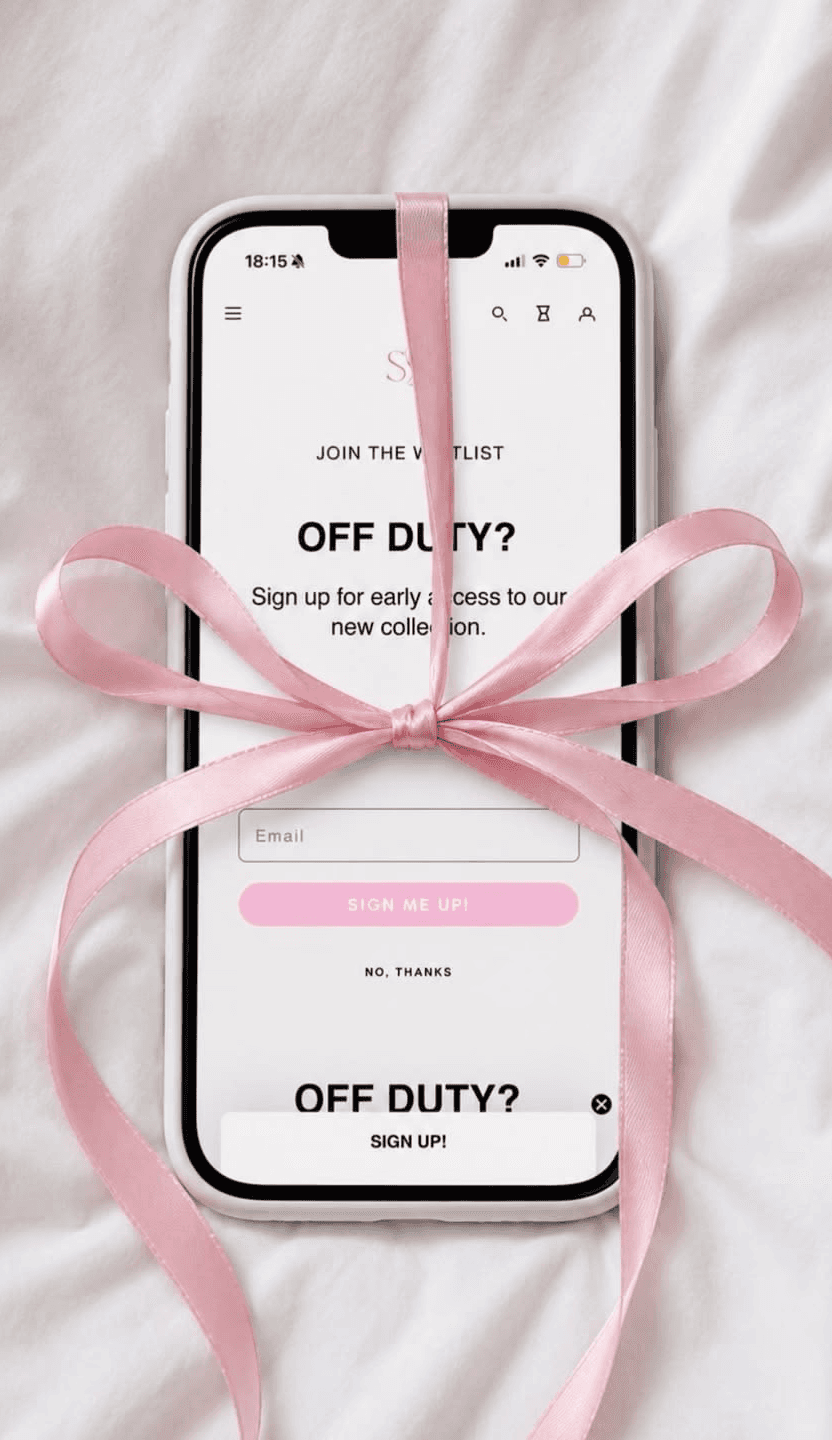
For Framer or Webflow builds, I take the design straight into build myself — no handoff gap where details get lost in translation. On larger projects, I work directly alongside a development partner I trust, staying in the build to make sure what ships matches what we designed, not a rough approximation of it
04
(
Launch & Support
)
Launch, then the 30 days after.
I stay through launch and the weeks right after, when most of the real feedback actually shows up. Thirty days of adjustments are included by default; past that, we can set up a retainer if you'd rather have ongoing support than call me for one-off fixes.
ServiceS
Where I can help — from early positioning to a shipped, working site.
Product Strategy
Identity & Branding
Digital Marketing
UX & Product Design
Graphic Design
Brand Development
Digital Marketing
Graphic Design
Brand Development
Product Strategy
Identity & Branding
UX & Product Design
Product Strategy
Identity & Branding
Digital Marketing
UX & Product Design
Webfllow Development
Brand Development
Digital Marketing
Webflow Development
Brand Development
Product Strategy
Identity & Branding
UX & Product Design
Brand Strategy
Strategy
A brand only works if the person deciding whether to trust it can tell, in the first five seconds, what it stands for.
I build identity systems around that five-second read — positioning, name, mark, and voice tied to one clear idea instead of a mood board of adjectives.
Brand Discovery & Research
Before a single visual choice, I map the market you're actually competing in — direct competitors, adjacent categories, and the gap nobody in the space has claimed yet. A short set of stakeholder conversations tells me what the brand needs to say internally before I decide how it should look. That combination is what keeps the identity from becoming decoration: every visual decision downstream traces back to something specific I learned.
Logo & Visual Identity Design
I design the mark alongside the system it has to survive in — favicon, app icon, a business card, a storefront — because a logo that only works at one size isn't finished. Typography, color, and grid get built as one connected language, not three separate choices bolted together, so the brand reads as deliberate whether someone sees it on a phone screen or a shopfront.
Brand Messaging & Positioning
Positioning is the one line that has to survive being repeated by someone who isn't you — a client explaining you to their boss, a teammate briefing a new hire. I work to find that line before touching layout, because a beautiful identity built on a vague one just makes the vagueness look expensive.
Brand Guidelines Creation
I hand off a guide built to actually get used, not filed away — logo lockups and exclusion zones, a real color system with accessible pairings, type hierarchy, and enough do/don't examples that a designer who's never spoken to me can apply the brand correctly on the first try.

Website design
Design
I design and ship full websites — information architecture, visual system, and every interaction — built in Framer or Webflow, on timelines that run from ten days to a few weeks depending on scope. The goal on every one: a site that reads as considered on page one and still holds up on page twelve.
Custom Website Design
I start from the site's actual structure, not a template — how many page types the content genuinely needs, what a first-time visitor has to understand in the first screen, where the friction sits between curiosity and the next click. The visual system comes after that's settled, which is why the result doesn't look like a skin wrapped around a stock layout.
Framer Development
Framer is where I build when a site needs custom interaction — scroll-driven reveals, hover states, motion that's doing real work instead of decorating a page. I build responsive across breakpoints as I go, not as a pass at the end, so nothing gets awkwardly squeezed to fit mobile after the fact.
Webflow Development
For sites where the client's team needs to update content without calling me first, I build in Webflow — a CMS structured around how the content actually gets edited, not just how it launches. The interface stays clean enough that someone non-technical can swap a case study or update a price without breaking the layout.
Website Maintenance & Support
Every project ships with 30 days of support built in — fixes, small adjustments, answering the "can we also change—" questions that always come up once a site is live. Past that window, I offer an ongoing retainer for clients who'd rather have a designer on call than book one-off fixes.
UI/UX design
Design
UI/UX work, for me, means the interface earns its keep — every screen has to move someone closer to booking, buying, or signing up, not just look considered.
That's the lens behind the interface itself, research and wireframes.
User Research & Personal Development
I talk to the people who'll actually use the product before I design for them — short interviews, not a survey nobody reads closely. What comes out isn't a persona slide with a stock photo; it's the specific friction point that ends up shaping the flow I design next.
Wireframing & Prototyping
Low-fidelity first, on purpose — I want feedback on the flow before anyone's reacting to color choices. Wireframes go interactive early enough that you're clicking through a real sequence of screens, not reading a static plan and hoping it holds together.
Usability Testing & Analysis
I watch people use the product rather than ask them to describe how they'd use it — the two answers are rarely the same. A handful of structured sessions usually surfaces the two or three friction points worth fixing before launch; chasing more than that mostly adds noise.
UI/UX Audits & Redesigns
I go through an existing product screen by screen against its own stated goals, not a generic best-practices checklist, and come back with what's actually costing you users versus what just looks dated.
The redesign starts from the flows that are losing people, not a full visual refresh for its own sake.
(How I work)
Process
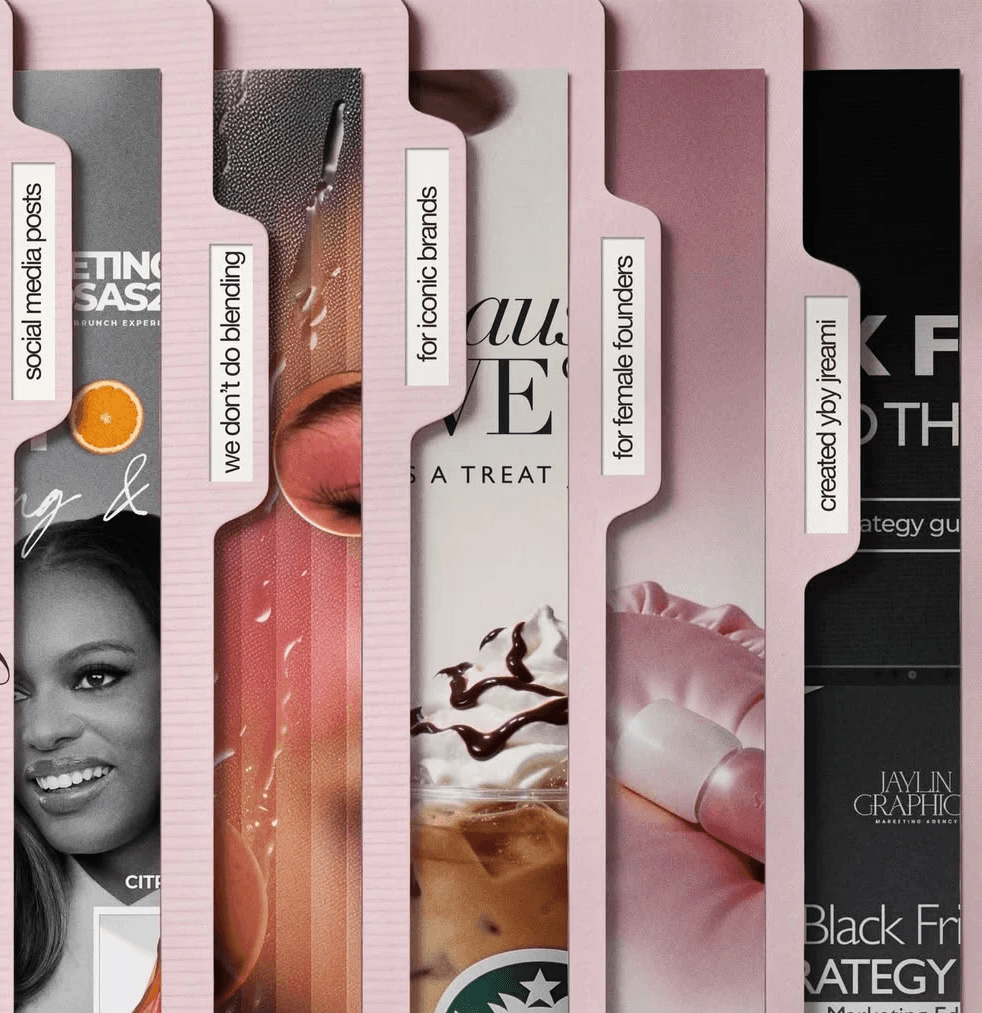
Same process on a ten-day sprint or a six-week build — what changes is how much time each phase gets, not whether it happens.
01
(
Discovery
)
Understanding Your Unique Needs.
I start with your goals, your audience, and whatever's already been tried and hasn't worked — that last part matters more than people expect. A short discovery conversation tells me more than a long brief document, because I can ask the follow-up question a document can't answer.
02
(
Design
)
Turning the brief into screens.
Wireframes first, then the visual system, then high-fidelity screens — each stage is something you can react to, not a black box until the reveal. I'd rather show you a rough version early and adjust than polish something for two weeks before you've seen it once.
03
(
Development
)
Bringing Ideas to Life.
For Framer or Webflow builds, I take the design straight into build myself — no handoff gap where details get lost in translation. On larger projects, I work directly alongside a development partner I trust, staying in the build to make sure what ships matches what we designed, not a rough approximation of it
04
(
Launch & Support
)
Launch, then the 30 days after.
I stay through launch and the weeks right after, when most of the real feedback actually shows up. Thirty days of adjustments are included by default; past that, we can set up a retainer if you'd rather have ongoing support than call me for one-off fixes.
ServiceS
Where I can help — from early positioning to a shipped, working site.
Product Strategy
Identity & Branding
Digital Marketing
UX & Product Design
Graphic Design
Brand Development
Digital Marketing
Graphic Design
Brand Development
Product Strategy
Identity & Branding
UX & Product Design
Product Strategy
Identity & Branding
Digital Marketing
UX & Product Design
Webfllow Development
Brand Development
Digital Marketing
Webflow Development
Brand Development
Product Strategy
Identity & Branding
UX & Product Design
Branding
Strategy
A brand only works if the person deciding whether to trust it can tell, in the first five seconds, what it stands for.
I build identity systems around that five-second read — positioning, name, mark, and voice tied to one clear idea instead of a mood board of adjectives.
Brand Discovery & Research
Before a single visual choice, I map the market you're actually competing in — direct competitors, adjacent categories, and the gap nobody in the space has claimed yet. A short set of stakeholder conversations tells me what the brand needs to say internally before I decide how it should look. That combination is what keeps the identity from becoming decoration: every visual decision downstream traces back to something specific I learned.
Logo & Visual Identity Design
I design the mark alongside the system it has to survive in — favicon, app icon, a business card, a storefront — because a logo that only works at one size isn't finished. Typography, color, and grid get built as one connected language, not three separate choices bolted together, so the brand reads as deliberate whether someone sees it on a phone screen or a shopfront.
Brand Messaging & Positioning
Positioning is the one line that has to survive being repeated by someone who isn't you — a client explaining you to their boss, a teammate briefing a new hire. I work to find that line before touching layout, because a beautiful identity built on a vague one just makes the vagueness look expensive.
Brand Guidelines Creation
I hand off a guide built to actually get used, not filed away — logo lockups and exclusion zones, a real color system with accessible pairings, type hierarchy, and enough do/don't examples that a designer who's never spoken to me can apply the brand correctly on the first try.
Website design
Design
I design and ship full websites — information architecture, visual system, and every interaction — built in Framer or Webflow, on timelines that run from ten days to a few weeks depending on scope. The goal on every one: a site that reads as considered on page one and still holds up on page twelve.
Custom Website Design
I start from the site's actual structure, not a template — how many page types the content genuinely needs, what a first-time visitor has to understand in the first screen, where the friction sits between curiosity and the next click. The visual system comes after that's settled, which is why the result doesn't look like a skin wrapped around a stock layout.
Framer Development
Framer is where I build when a site needs custom interaction — scroll-driven reveals, hover states, motion that's doing real work instead of decorating a page. I build responsive across breakpoints as I go, not as a pass at the end, so nothing gets awkwardly squeezed to fit mobile after the fact.
Webflow Development
For sites where the client's team needs to update content without calling me first, I build in Webflow — a CMS structured around how the content actually gets edited, not just how it launches. The interface stays clean enough that someone non-technical can swap a case study or update a price without breaking the layout.
Website Maintenance & Support
Every project ships with 30 days of support built in — fixes, small adjustments, answering the "can we also change—" questions that always come up once a site is live. Past that window, I offer an ongoing retainer for clients who'd rather have a designer on call than book one-off fixes.
UI/UX design
Design
UI/UX work, for me, means the interface earns its keep — every screen has to move someone closer to booking, buying, or signing up, not just look considered.
That's the lens behind the interface itself, research and wireframes.
User Research & Personal Development
I talk to the people who'll actually use the product before I design for them — short interviews, not a survey nobody reads closely. What comes out isn't a persona slide with a stock photo; it's the specific friction point that ends up shaping the flow I design next.
Wireframing & Prototyping
Low-fidelity first, on purpose — I want feedback on the flow before anyone's reacting to color choices. Wireframes go interactive early enough that you're clicking through a real sequence of screens, not reading a static plan and hoping it holds together.
Usability Testing & Analysis
I watch people use the product rather than ask them to describe how they'd use it — the two answers are rarely the same. A handful of structured sessions usually surfaces the two or three friction points worth fixing before launch; chasing more than that mostly adds noise.
UI/UX Audits & Redesigns
I go through an existing product screen by screen against its own stated goals, not a generic best-practices checklist, and come back with what's actually costing you users versus what just looks dated.
The redesign starts from the flows that are losing people, not a full visual refresh for its own sake.
(How I work)
Process
Same process on a ten-day sprint or a six-week build — what changes is how much time each phase gets, not whether it happens.

01
(
Discovery
)
Understanding Your Unique Needs.
I start with your goals, your audience, and whatever's already been tried and hasn't worked — that last part matters more than people expect. A short discovery conversation tells me more than a long brief document, because I can ask the follow-up question a document can't answer.
02
(
Design
)
Turning the brief into screens.
Wireframes first, then the visual system, then high-fidelity screens — each stage is something you can react to, not a black box until the reveal. I'd rather show you a rough version early and adjust than polish something for two weeks before you've seen it once.
03
(
Development
)
Bringing Ideas to Life.
For Framer or Webflow builds, I take the design straight into build myself — no handoff gap where details get lost in translation. On larger projects, I work directly alongside a development partner I trust, staying in the build to make sure what ships matches what we designed, not a rough approximation of it
04
(
Launch & Support
)
Launch, then the 30 days after.
I stay through launch and the weeks right after, when most of the real feedback actually shows up. Thirty days of adjustments are included by default; past that, we can set up a retainer if you'd rather have ongoing support than call me for one-off fixes.